Exclusively for B2B customers.

Name
Company
Country
Leave us a note
Exclusively for B2B customers.
Name
Company
Country
Leave us a note
First Name *
Last Name *
E-Mail *
Name of Organisation
Street/Number
City *
Zip Code *
Country *
VAT Number
Invoicing address (if different from above)
Organisation Type *
Screening Type *
Screening File Type *
Proposed Screening Date *
Audience Size *
Number of Screenings *
Admission Type *
Leave us a note
Total
V.A.T. excluded
Anna Hints
EE FR IS 2023 89'
⚬ Human Interest


















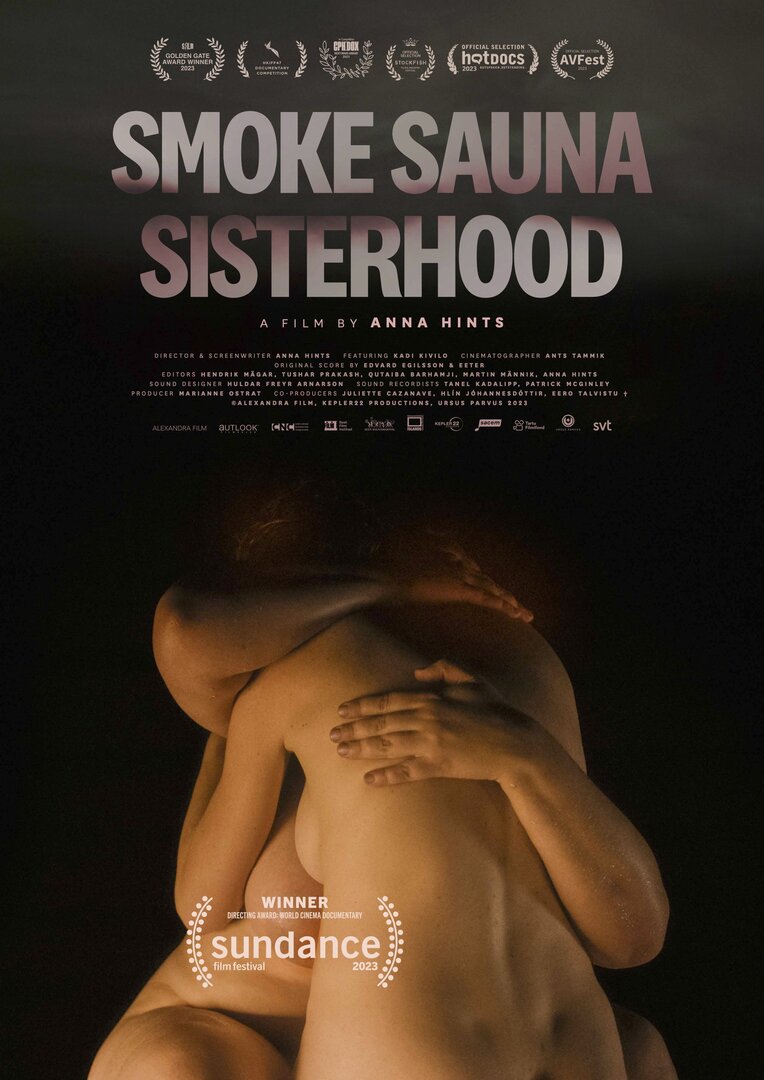
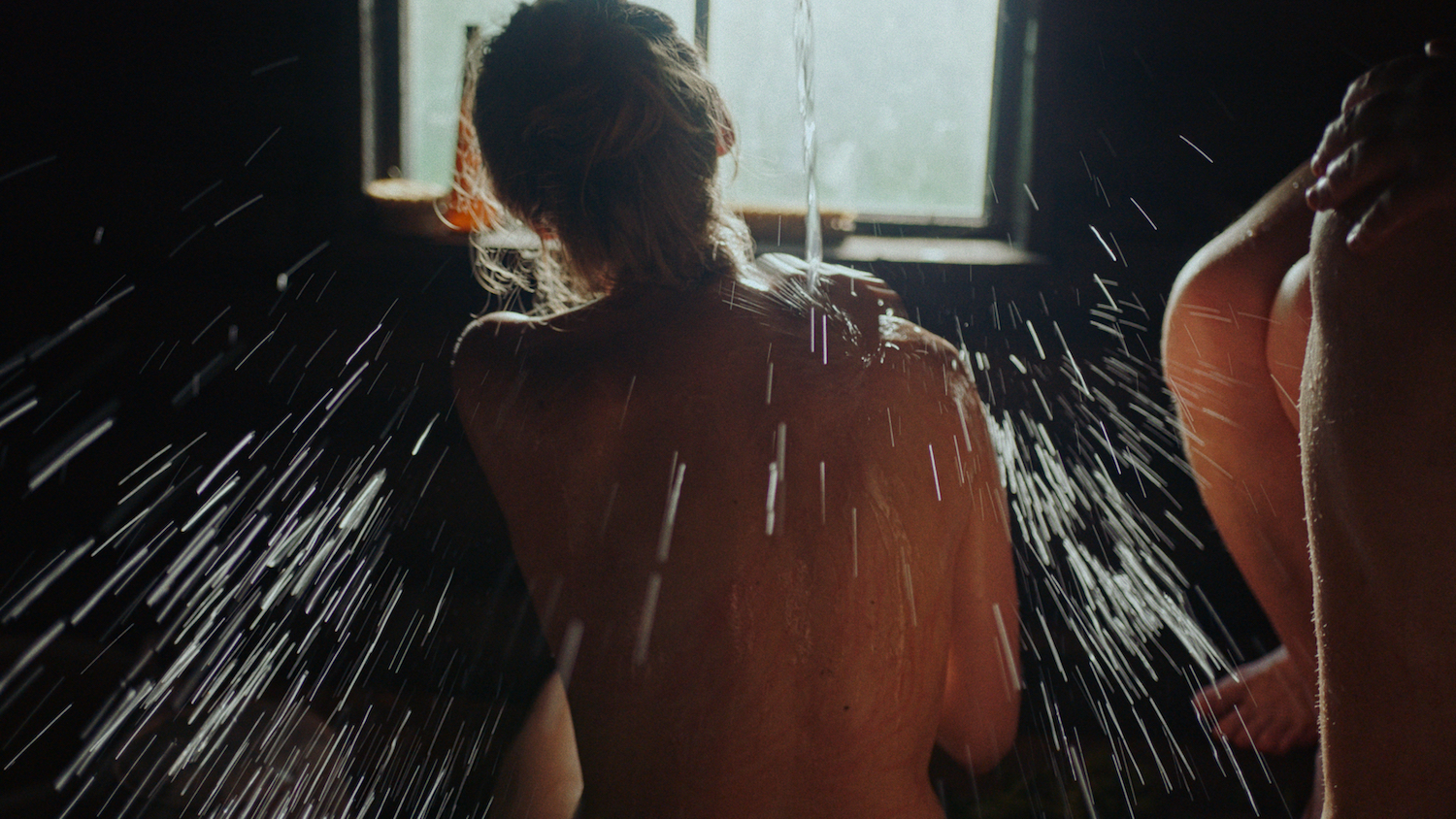
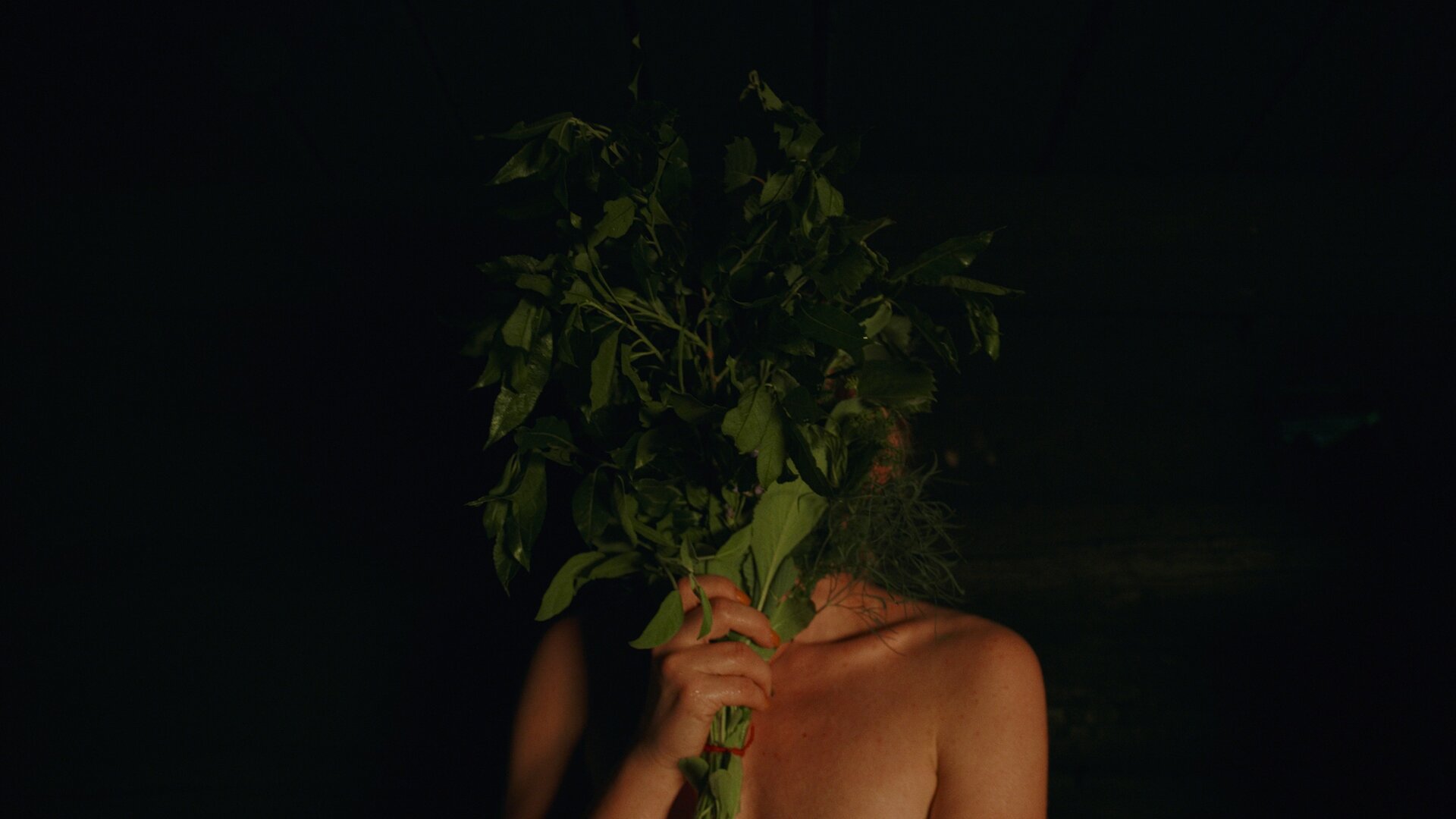
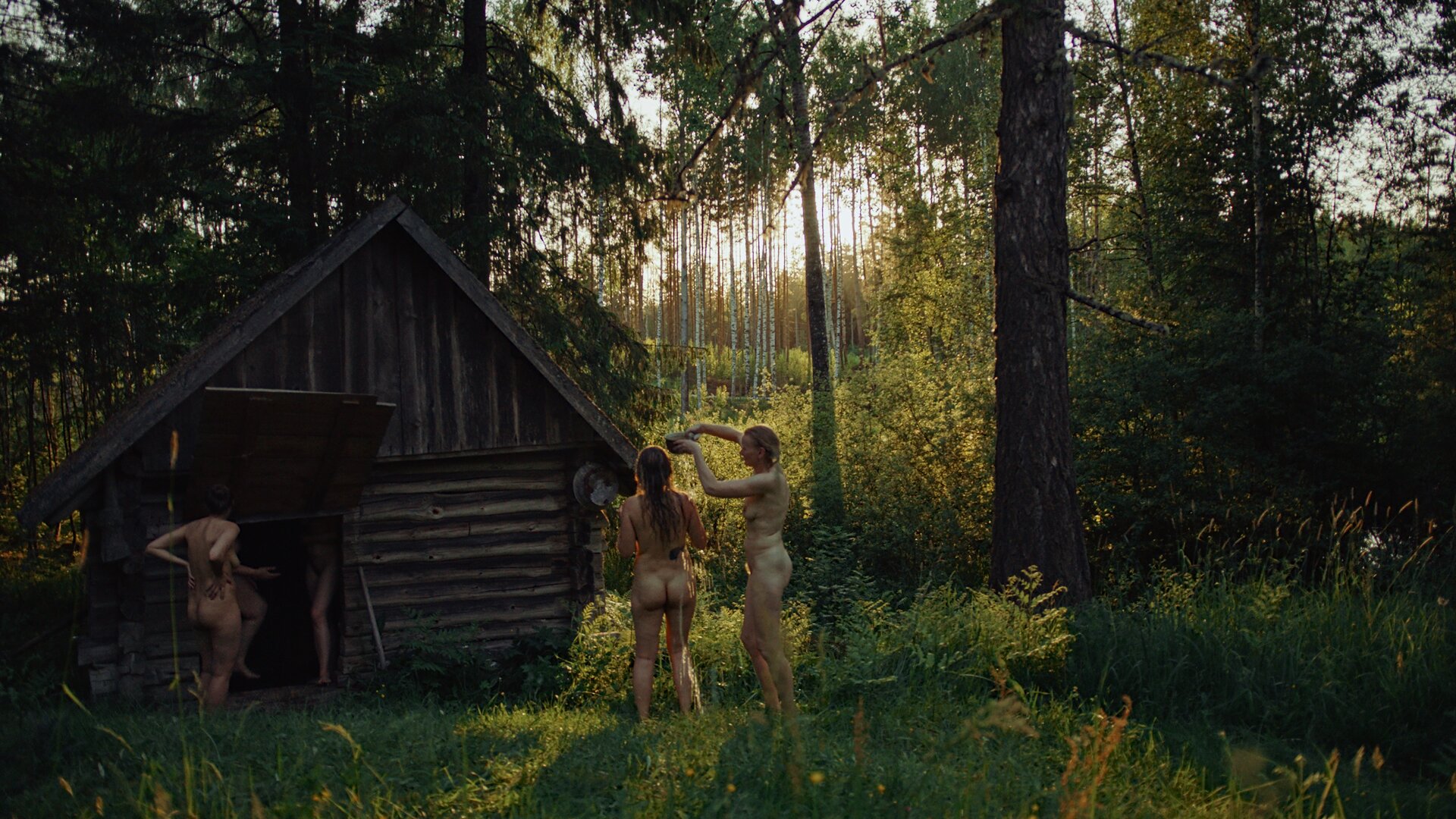
In the darkness of a smoke sauna, women share their innermost secrets and intimate experiences, washing off the shame trapped in their bodies and regaining their strength through a sense of communion.
"a film that places you in the moment of relaxation, conveys the sense of a cleansing that is both physical and spiritual. Here, you are free to say anything, trivial or significant." - Screen Daily
"a cathartic and lovely experience" - Paste Magazine
"an unforgettable experience" - POV Magazine
Director | Anna Hints |
Producer | Marianne Ostrat |
Co-Producers | Juliette Cazanave, Hlín Jóhannesdóttir |
Production Company | Alexandra Film |
Co-Production Company | Kepler22 Productions, URSUS PARVUS |
Cinematography | Ants Tammik |
Writer | Anna Hints |
Editors | Hendrik Mägar, Tushar Prakash, Martin Männik, Qutaiba Barhamji, Anna Hints |
Music | Edvard Egilsson & EETER |
Sound Designer | Huldar Freyr Arnarson |
Sound Recording | Tanel Kadalipp, Patrick Tubin McGinley |
The origins of Malayalam cinema date back to the silent era with Vigathakumaran (The Lost Child) in 1928, produced and directed by J.C. Daniel. From its very inception, the industry was linked to social reality. The film featured a lower-caste actress, P.K. Rosy, which sparked severe backlash from the conservative society of the time, highlighting the deep-seated caste fractures that the medium would continue to critique for decades.
In the last decade, the industry has unleashed a wave of films that dismantle hypocrisy:
This film addressed untouchability and feudalism. It won the first national recognition for the industry. The origins of Malayalam cinema date back to
What (e.g., 1980s Golden Age, 2010s New Gen) you want to focus on?
Filmmakers like Padmarajan, Bharathan, and K.G. George bridged the gap between art and commercial appeal. They made realistic, emotionally complex movies that remained highly accessible to the general public. They explored human relationships, sexuality, and urban alienation with maturity. 🎭 Stardom and Performance: The Era of the Two Big 'Ms' The film featured a lower-caste actress, P
Malayalam cinema did not just entertain these realities; it interrogated them.
+-------------------------------------------------------------+ | THE MALAYALAM CINEMA FORMULA | +-------------------------------------------------------------+ | Minimalist Budgets --> Rely on tight, dialogue-driven plot | | Natural Lighting --> Captures Kerala's lush typography | | Immersive Sound --> Sync-sound recording is standard | +-------------------------------------------------------------+ It won the first national recognition for the industry
Despite operating on a fraction of the budget of Bollywood or Tamil cinema, Mollywood pushed technical boundaries. Sound design, realistic lighting, and guerrilla filmmaking tactics became hallmarks of the industry.
In the 2010s, a distinct shift occurred with the "New Wave" or "New Gen" cinema. Actors like Fahadh Faasil, Dulquer Salmaan, Nivin Pauly, and Tovino Thomas moved away from larger-than-life heroism. Stardom in Kerala became secondary to the script. Fahadh Faasil, in particular, became the poster child for this shift, frequently playing morally ambiguous, eccentric, or physically vulnerable characters ( Thondimuthalum Driksakshiyum , Joji ). The "New Wave" and Global Recognition
The secret to Malayalam cinema’s enduring resonance lies in its mirror-like fidelity to the cultural and political churn of Kerala. Unlike many other Indian film industries that leaned heavily on mythological tropes, Malayalam cinema pivoted toward relatable family dramas and socially conscious narratives from the early 1950s. This orientation was not accidental: it emerged from a society mid-churn.
Films like Maheshinte Prathikaaram (2016) and Kumbalangi Nights (2019) focused on micro-narratives. They found extraordinary beauty in ordinary, everyday lives, replacing dramatic monologues with conversational, realistic dialogue.
Sundance 2023 |
CPH:DOX 2023 |
Hong Kong IFF 2023 |
SFFILM 2023 |
Hot Docs 2023 |
Millenium Docs Against Gravity 2023 |
Sydney FF 2023 |
Sheffield DocFest 2023 |
Guanajuato FF 2023 |
Ambulante Documentary FF 2023 |
Zürich FF 2023 |
IDFA 2023 |
DOC NYC 2023 |
Zagreb FF 2023 |
Jio Mami Mumbai FF 2023 |
FIDOCS 2023 |
| Runtime | 89' |
| Langauges | Estonian, Seto, Võro |
| Production Countries | Estonia, France, Iceland |
Anna Hints is an Estonian film director with a background in contemporary art and experimental folk music. Anna has deep roots in the distinct culture of South Estonia. As an active dumpster diver, Anna’s short documentary FOR TOMORROW PARADISE ARRIVES initiated public discussion and growth of new grassroot movements against food waste in Estonia. Anna’s first feature length film SMOKE SAUNA SISTERHOOD premiered at the Sundance Film Festival World Cinema Documentary Competition in January 2023 and received the Directing Award.