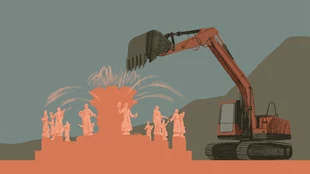
Подчинение территории: как Советский Союз и его наследница Россия обращаются с ресурсами, людьми и природой
Furthermore, the community has led the shift toward gender-affirming language in mainstream society. The widespread introduction of sharing pronouns (he/him, she/her, they/them), the use of honorifics like "Mx.", and the adoption of gender-neutral terms like "sibling" or "folks" stem directly from transgender advocacy for validation and visibility. Contemporary Challenges and Activism
If you look at the DNA of mainstream LGBTQ culture, you will find trans-centric roots in nearly every art form.
This process is unique for everyone and can include social changes (name and pronouns), legal updates, or medical procedures. There is no "right" way to transition. The Trevor Project Historical and Cultural Context
Despite the tensions, the current era is witnessing a dramatic shift. LGBTQ culture is rapidly reorienting itself to center trans voices, recognizing that the fight for liberation is a single, unified struggle. solo shemales jerking link
Refers to who you are attracted to (sexual orientation). T (Transgender): Refers to who you are (gender identity).
Transgender individuals have been the primary architects of much of the language and aesthetics used in LGBTQ+ culture today.
The transgender community is not a footnote to LGBTQ history. It is the main text. And as long as there are trans people fighting to live authentically, the rainbow will continue to mean resistance, resilience, and radical love. Furthermore, the community has led the shift toward
The intersection of racism and transphobia creates disproportionate dangers. Black and Latine transgender women face alarming rates of fatal violence, housing insecurity, and employment discrimination compared to other segments of the LGBTQ+ community.
Originating in Harlem during the late 20th century, the Ballroom scene was created by Black and Latino trans and queer individuals as a safe haven from racism and transphobia. It introduced competitive categories blending runway modeling, dance, and performance.
This erasure highlights a painful pattern: trans people lead the charge, only to be pushed to the back of the parade. Despite this, the DNA of trans resistance is coded into every Pride parade today. The rainbow flag flies because trans women like Rivera refused to stay in the shadows. To understand LGBTQ culture is to understand that without trans resistance, there would be no modern queer liberation. This process is unique for everyone and can
The trans community has provided the movement with its most radical ideals: that identity is self-determined, that family is chosen, and that authenticity is worth more than safety. While friction exists—born from differing needs and historical traumas—the trajectory of the culture is toward integration.
To fully understand transgender integration into LGBTQ+ culture, one must distinguish between gender identity and sexual orientation. Sexual orientation concerns whom a person is attracted to (e.g., lesbian, gay, bisexual). Gender identity concerns a person’s internal, deeply felt sense of being male, female, a blend of both, or neither (e.g., transgender, non-binary, agender).