Copy the Caption Link
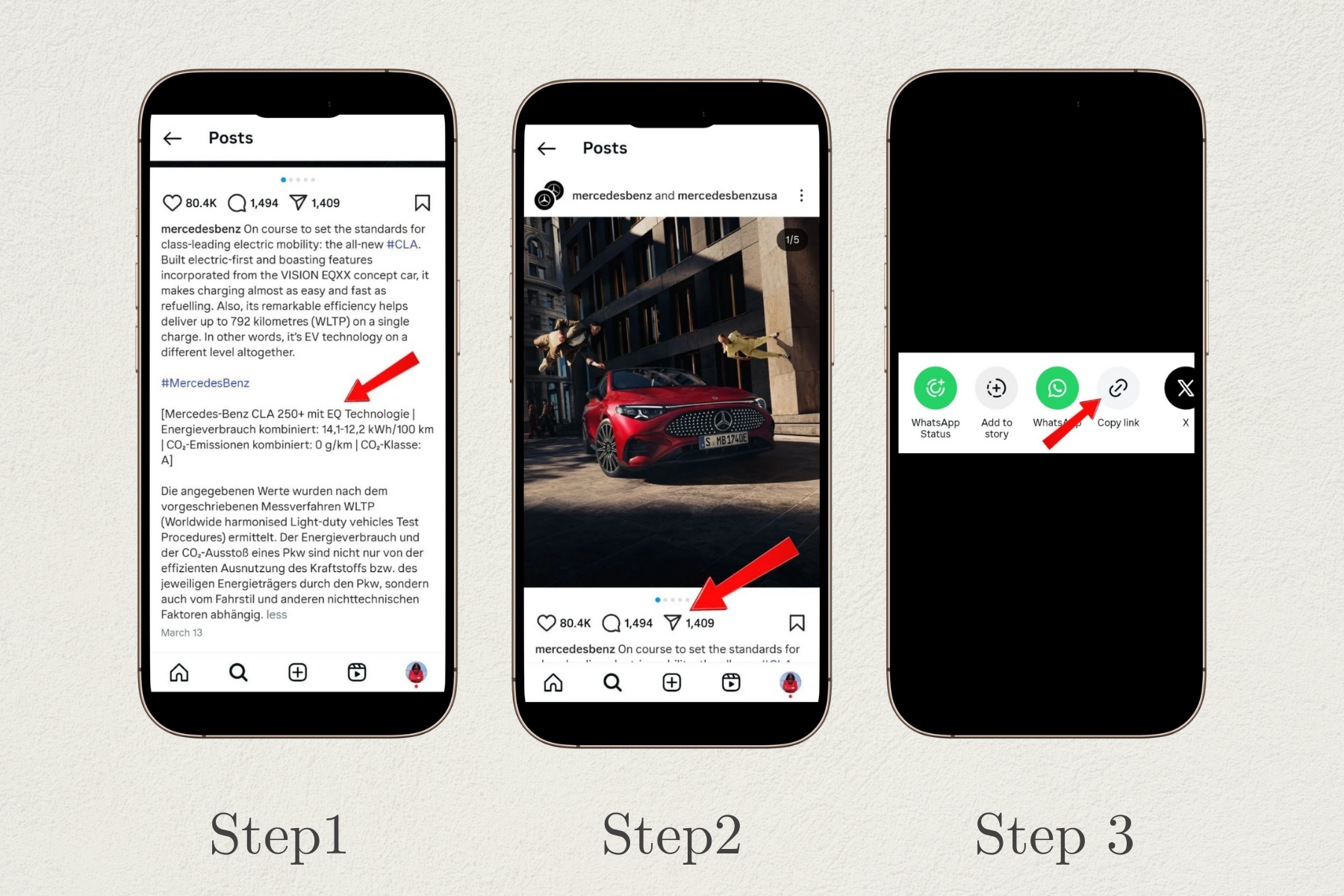
Go to Instagram, find the post with your favorite caption, tap the three dots (•••), and select "Copy Link."
Sudden aggression is frequently triggered by pain. Dental disease, spinal injuries, and ear infections can make an animal lash out when touched.
Veterinary clinics utilizing behavioral science alter their environments to reduce fear by:
The most immediate interface between behavior and veterinary practice lies in the diagnostic process. Animals, unable to articulate their discomfort verbally, communicate through a rich lexicon of postures, vocalizations, facial expressions, and activity patterns. Recognizing these behavioral signs is often the first step toward identifying illness. A cat that suddenly ceases to use its litter box may be exhibiting a behavioral frustration, but it could equally be signaling a painful urinary tract infection. A horse that pins its ears and refuses to be saddled may be displaying dominance, or it could be revealing a hidden gastric ulcer. A normally social dog that begins hiding under furniture is not simply being "grumpy"; it may be exhibiting a cardinal sign of chronic pain or an internal febrile response. paginas para ver videos de zoofilia gratis hot
Veterinary behaviorists utilize medications such as Selective Serotonin Reuptake Inhibitors (SSRIs) like fluoxetine, or tricyclic antidepressants (TCAs) like clomipramine, to lower anxiety levels. By chemically reducing the panic response, the animal enters a cognitive state where they can successfully process desensitization and counter-conditioning therapies. The Role of Preventive Behavioral Medicine
: A sudden increase in aggression, hiding, or vocalization is often the first sign of underlying pain, such as arthritis, dental disease, or internal discomfort. Sudden aggression is frequently triggered by pain
Neurotransmitters like serotonin, norepinephrine, and gamma-aminobutyric acid (GABA) dictate emotional baselines. In animals suffering from generalized anxiety, separation anxiety, or severe phobias (such as noise aversion), the brain is in a constant state of fight-or-flight.
[Traditional Handling] --> High Stress --> Elevated Vitals --> Inaccurate Diagnosis [Low-Stress Handling] --> Calm Animal --> Baseline Vitals --> Safe & Accurate Exam A horse that pins its ears and refuses
Beyond the clinic, this field plays a vital role in agriculture and wildlife conservation.
Our online tool makes the process easy! Let's see how to copy an Instagram caption in just a few simple steps:
Go to Instagram, find the post with your favorite caption, tap the three dots (•••), and select "Copy Link."
Now open the website and paste the link into the copy caption box.
Hit "Download," and instantly grab the caption; no sign-up, no hassle, just pure convenience!


Sudden aggression is frequently triggered by pain. Dental disease, spinal injuries, and ear infections can make an animal lash out when touched.
Veterinary clinics utilizing behavioral science alter their environments to reduce fear by:
The most immediate interface between behavior and veterinary practice lies in the diagnostic process. Animals, unable to articulate their discomfort verbally, communicate through a rich lexicon of postures, vocalizations, facial expressions, and activity patterns. Recognizing these behavioral signs is often the first step toward identifying illness. A cat that suddenly ceases to use its litter box may be exhibiting a behavioral frustration, but it could equally be signaling a painful urinary tract infection. A horse that pins its ears and refuses to be saddled may be displaying dominance, or it could be revealing a hidden gastric ulcer. A normally social dog that begins hiding under furniture is not simply being "grumpy"; it may be exhibiting a cardinal sign of chronic pain or an internal febrile response.
Veterinary behaviorists utilize medications such as Selective Serotonin Reuptake Inhibitors (SSRIs) like fluoxetine, or tricyclic antidepressants (TCAs) like clomipramine, to lower anxiety levels. By chemically reducing the panic response, the animal enters a cognitive state where they can successfully process desensitization and counter-conditioning therapies. The Role of Preventive Behavioral Medicine
: A sudden increase in aggression, hiding, or vocalization is often the first sign of underlying pain, such as arthritis, dental disease, or internal discomfort.
Neurotransmitters like serotonin, norepinephrine, and gamma-aminobutyric acid (GABA) dictate emotional baselines. In animals suffering from generalized anxiety, separation anxiety, or severe phobias (such as noise aversion), the brain is in a constant state of fight-or-flight.
[Traditional Handling] --> High Stress --> Elevated Vitals --> Inaccurate Diagnosis [Low-Stress Handling] --> Calm Animal --> Baseline Vitals --> Safe & Accurate Exam
Beyond the clinic, this field plays a vital role in agriculture and wildlife conservation.
Paste the Instagram link on our tool, and you'll get the caption instantly and for free!