18;write_to_target_document7;default18;write_to_target_document1a;_4jHuaYeEGKeZ4-EP2On9yAE_20;92;0;a3; 0;5035;0;4bf8;
—the accidental coffee spill, the shared umbrella, the "I knew from the moment I saw them". But in real life, a romantic storyline doesn't end when the credits roll on the first date. It actually shifts into what experts call the "Gardening" phase
A story becomes interesting when it isn’t easy for the characters to be together. Consider these types of internal and external obstacles Conflicting Goals:
These are outside forces keeping the couple apart, such as rival families (the classic Romeo and Juliet ), a war, or a literal distance.
In real life, romantic relationships serve as vital social anchors. They provide emotional and material support while shaping our daily lived experiences.
Audiences do not just watch or read romantic storylines; they emotionally participate in them. Psychological research suggests that engaging with fictional relationships allows people to experience "parasocial closeness." It provides a safe space to simulate emotional stakes without real-world risks.
Forced proximity that leads to real feelings.
At their core, real-world romantic relationships are built on evolving stages of intimacy and commitment. Experts often categorize these into distinct phases:
Tropes are the building blocks of romantic storylines. While they can feel cliché if mishandled, they provide a roadmap for emotional payoff. Popular examples include:
The Anatomy of Connection: Why Relationships and Romantic Storylines Define the Human Experience
No relationship is without friction. Dr. Elaine Ryan notes that while many people focus on the romantic ideal, professional support like couples counseling is often a necessary part of the "story" to manage issues like anxiety or OCD within a partnership.
🌿 The "Gardening" Phase of Love: Why the Best Stories Aren't Just the "Meet-Cute" We all love a good
Fine Homebuilding Magazine
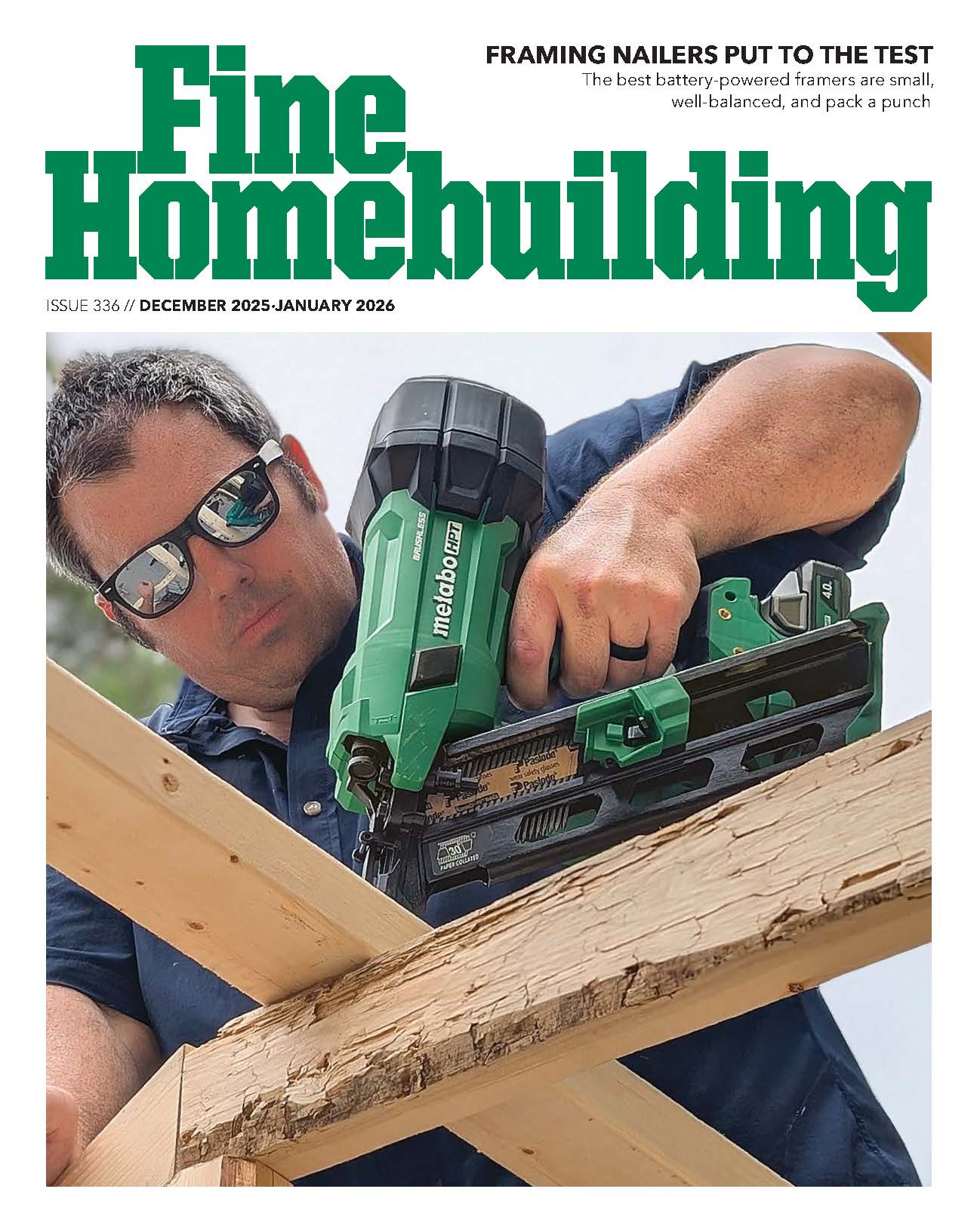
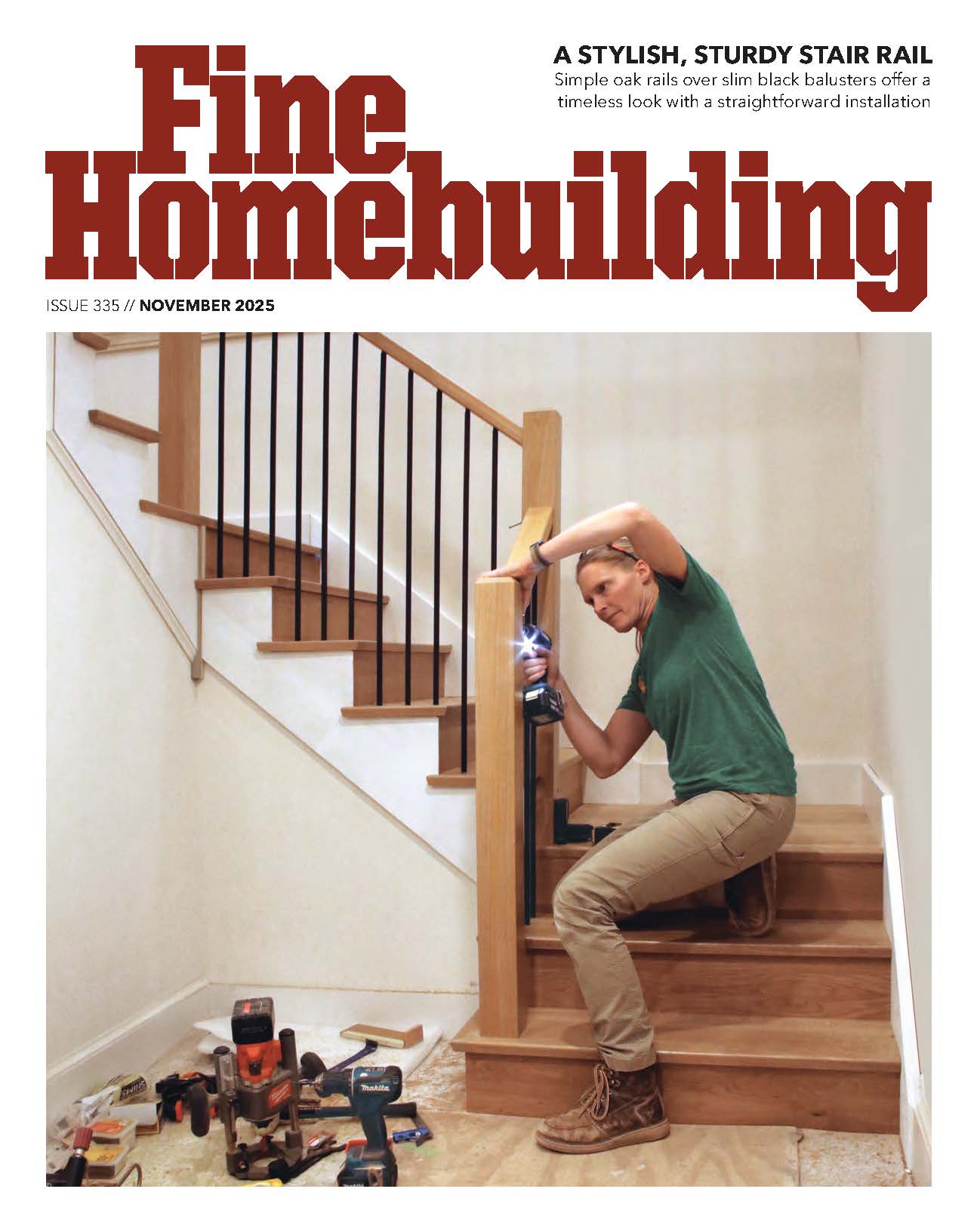
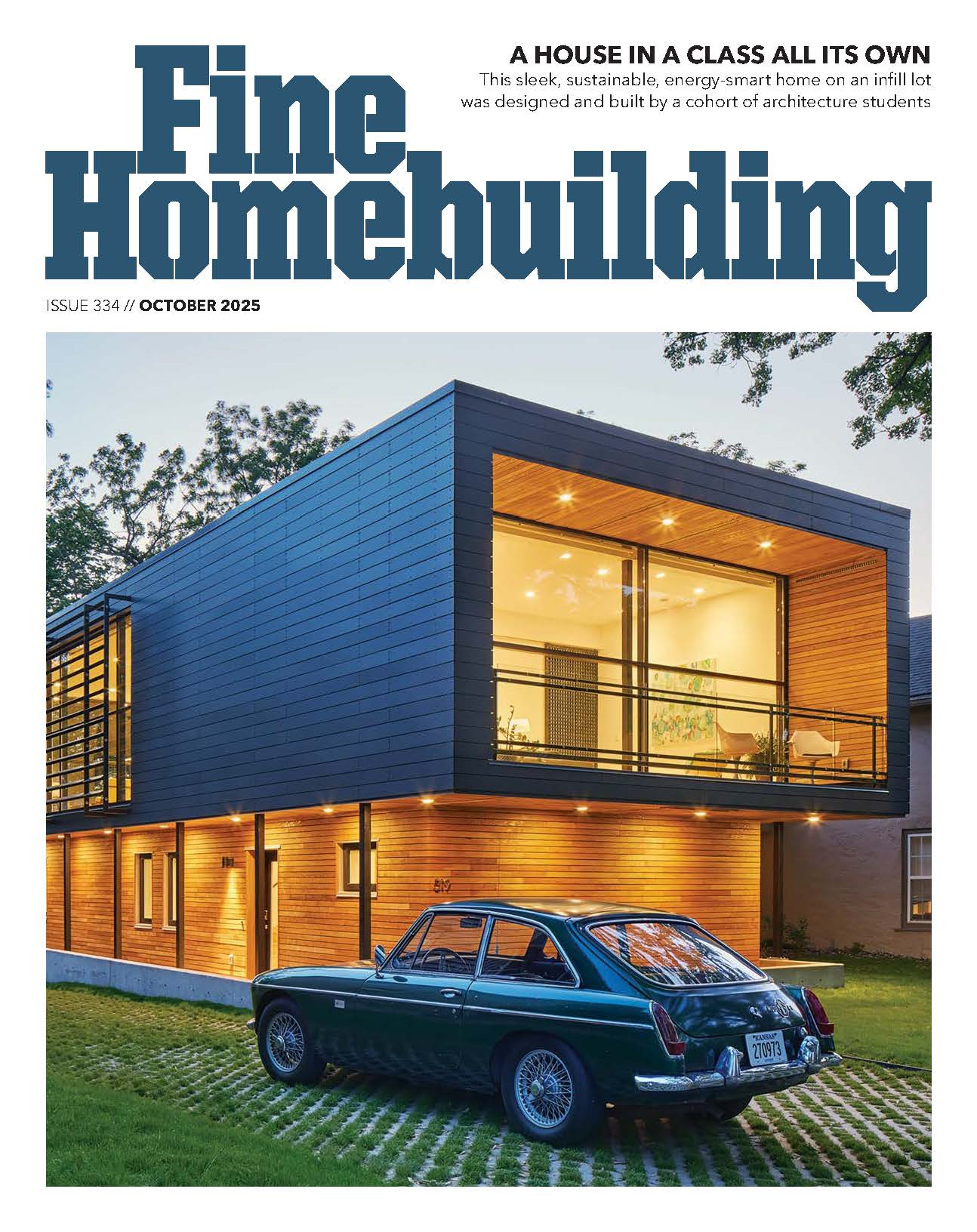
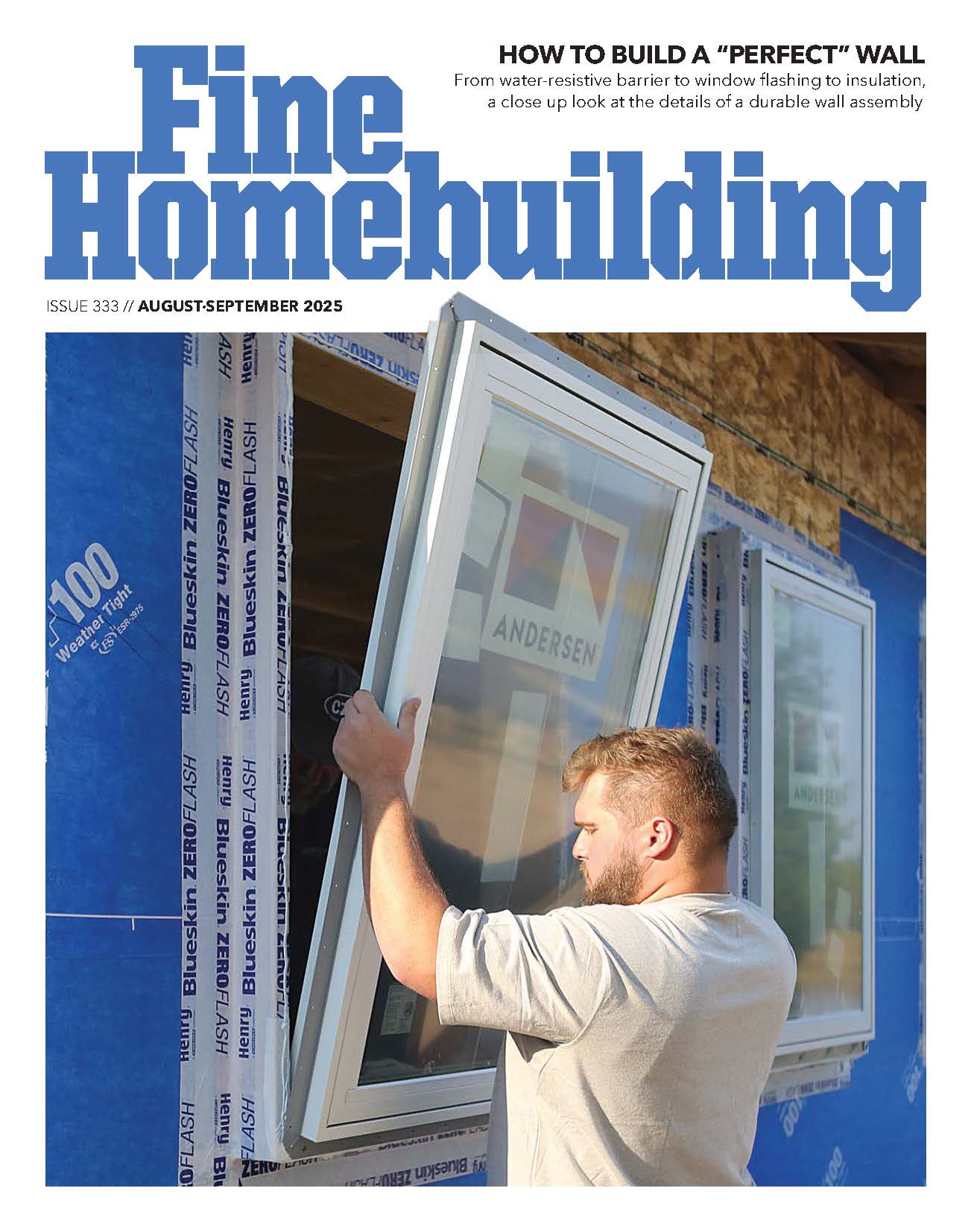
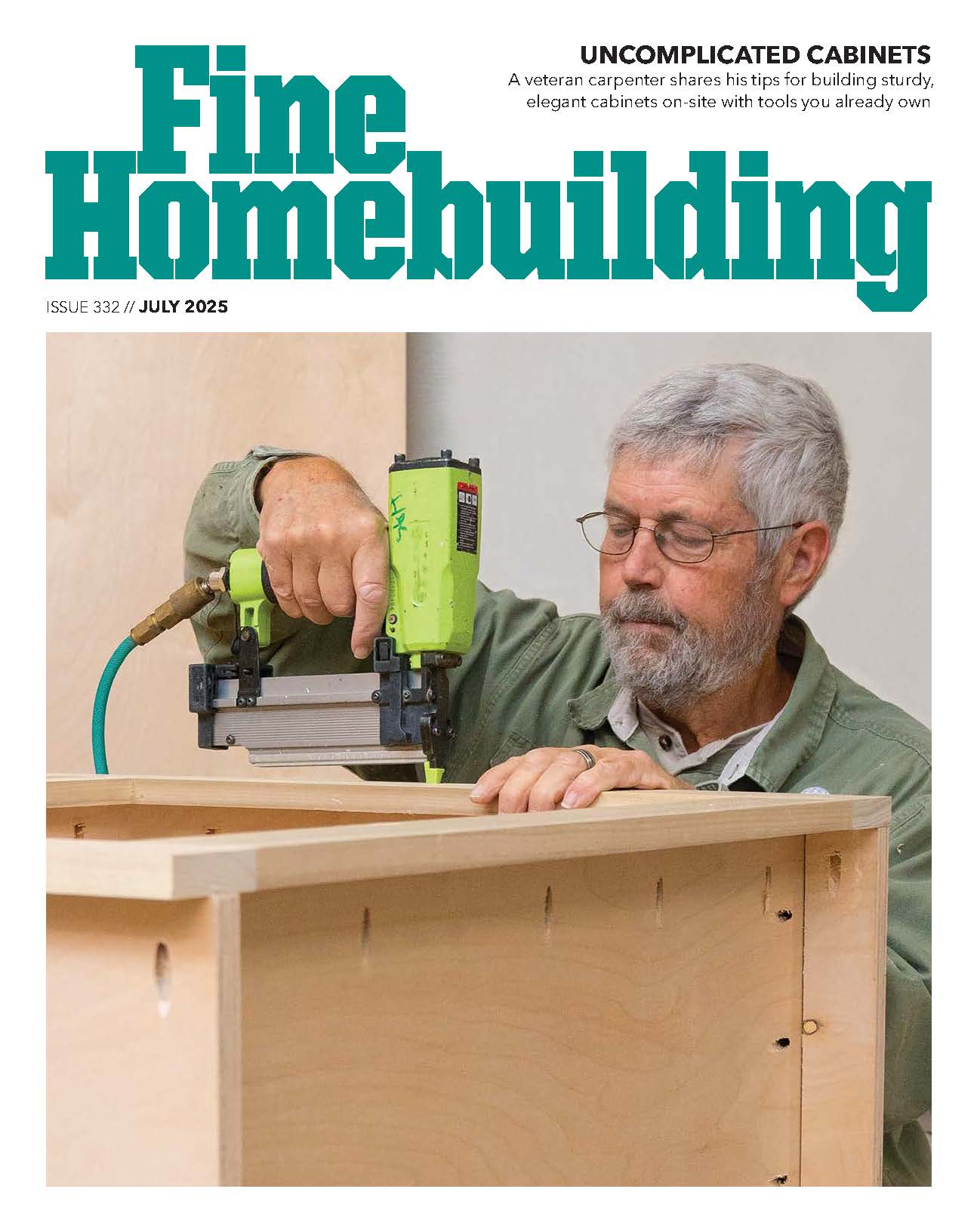
Fine Home Building
Follow



-
Fine Homebuilding
Dig into cutting-edge approaches and decades of proven solutions with total access to our experts and tradespeople.
Start Free Trial Now -
GBA Prime
Get instant access to the latest developments in green building, research, and reports from the field.
Start Free Trial Now