- 行业一站式解决方案
- CUSTOMER CASES
我们的技术创新中心负责提供从25吨到4000吨范围内的标准型和专用型注塑机、配套设备及全自动解决方案
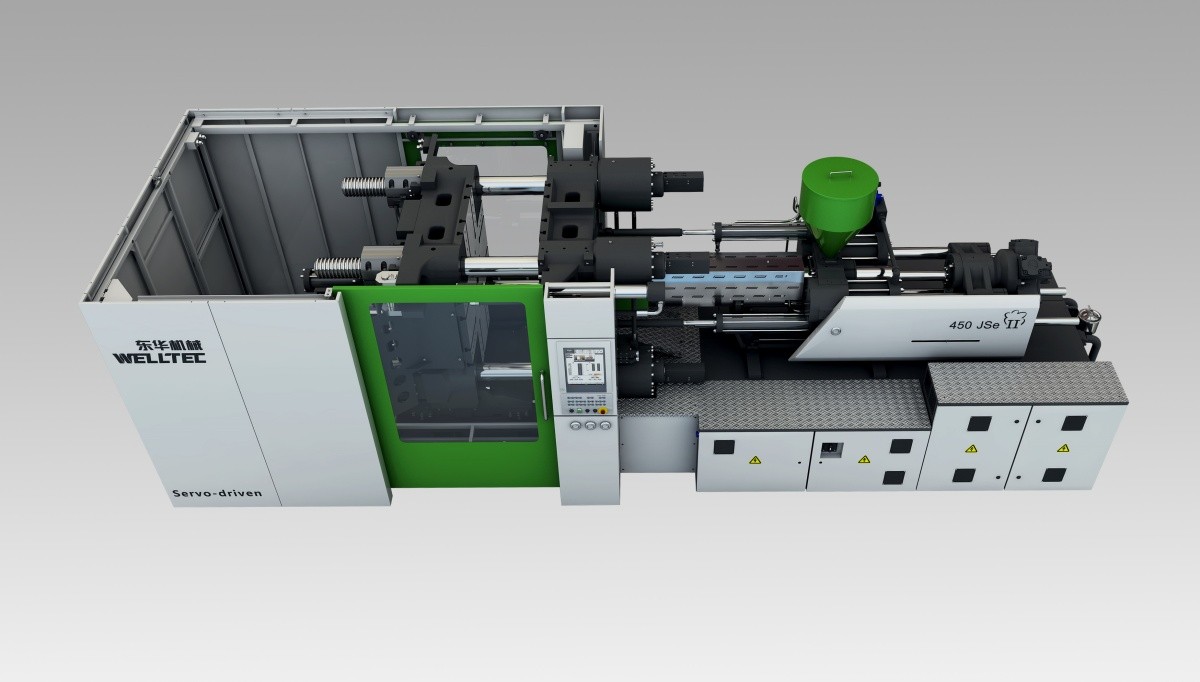
先进的两板式锁模机构,结构紧凑,占地空间更小
同步式拉杆抱闸装置,抱闸油缸具备缓冲功能
抱闸精确,无冲击
超长支撑滑脚
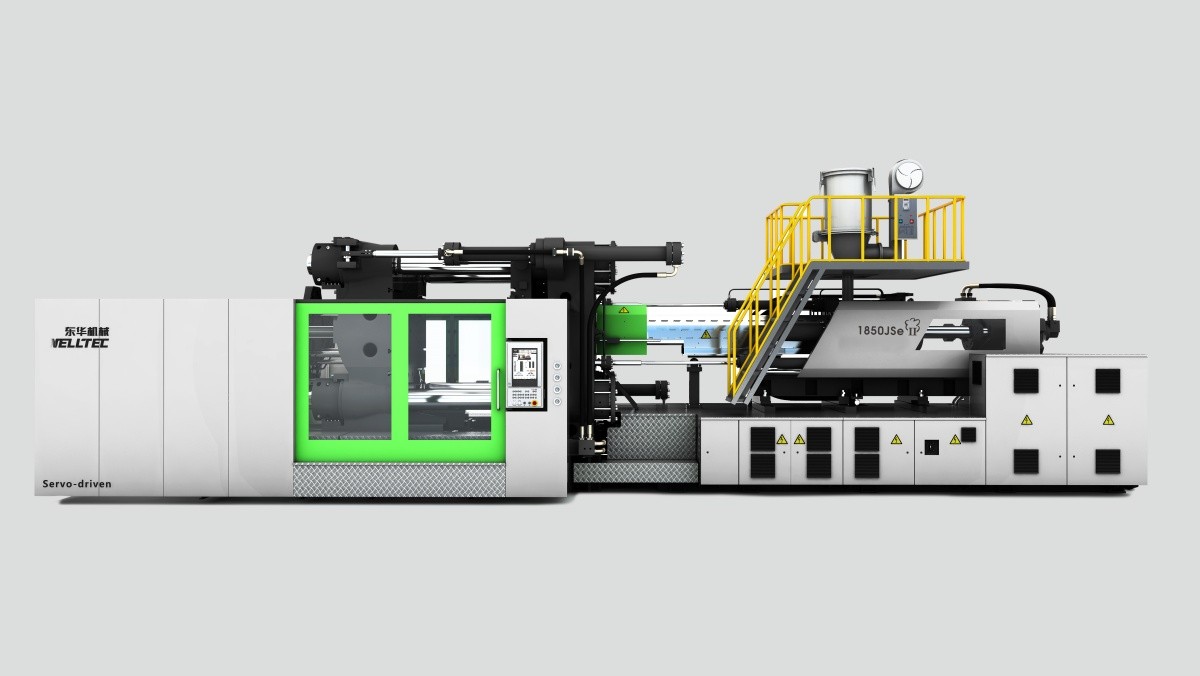
新型射台结构
结构紧凑、刚性好的新型射台结构
射台模块化设计,大小射台更换方便
双缸射移+料筒支撑,料筒防悬垂调节组件,调节简单
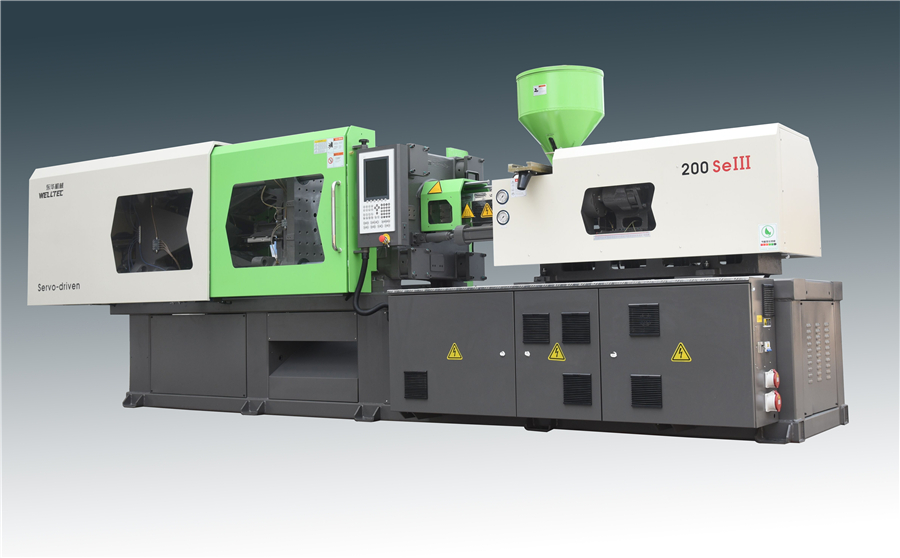
较传统变量泵系统机型节能30%以上
AC伺服马达实现流畅低速动作控制
液压耗能降至最低,避免油温上升
欧洲进口贝加莱专业注塑机控制系统
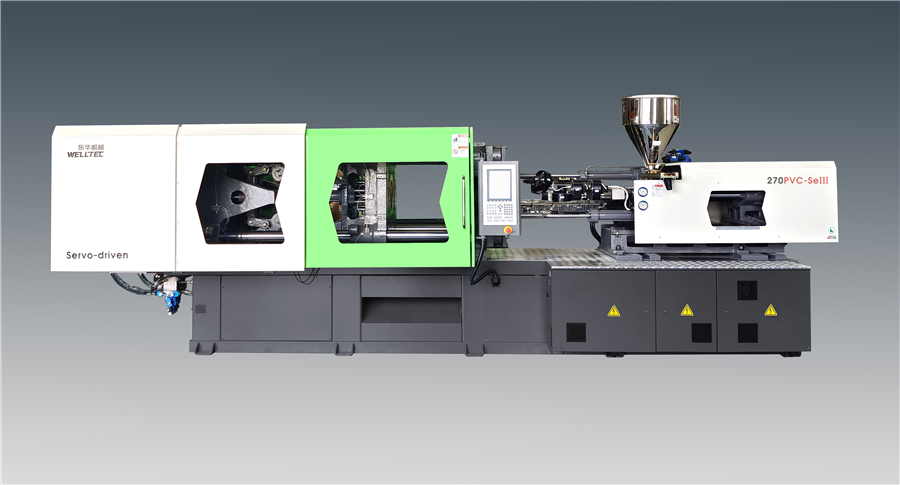
较传统变量泵系统机型节能30%以上
AC伺服马达实现流畅低速动作控制
流量及压力双闭环控制,大大提高制品重复精度
伺服驱动液压泵,低压及低流量操作表现尤其出色及稳定
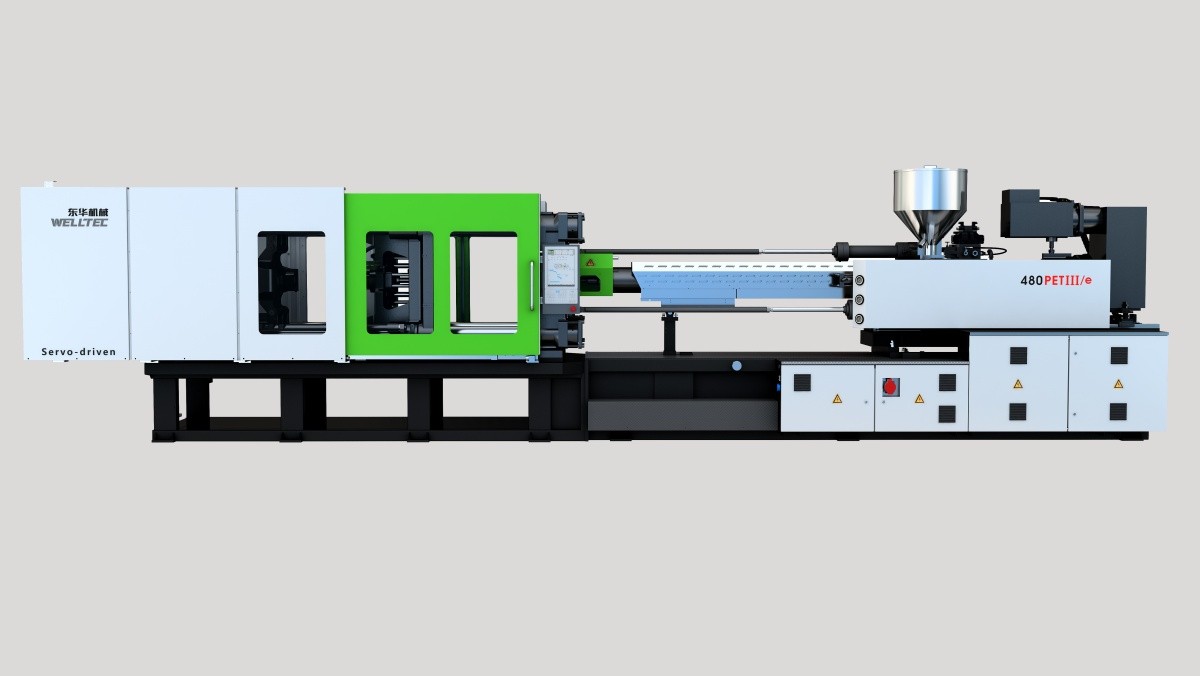
利用有限元分析软件最优化锁模设计,应力均匀,高刚性,可靠耐用;特大开模行程,满足长管胚生产
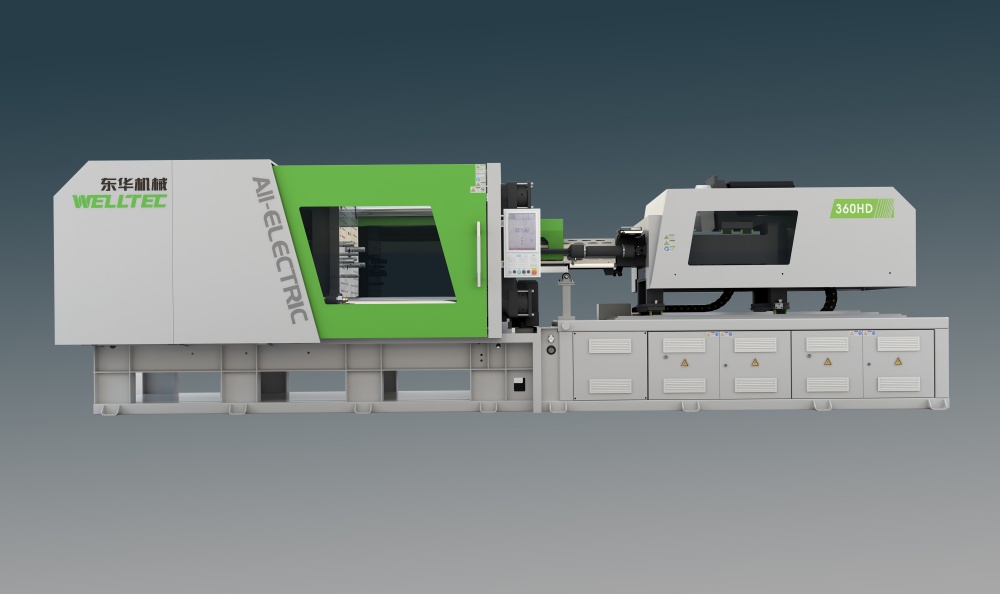
高刚度射台机构,最高压力注射机构变形≤0.05mm,能够有效保证超精密注射过程的压力实时准确监控
射胶、开合模、顶出位置重复精度±0.01mm;制品重量重复精度超过0.1%,满足精密注射要求
If you search for these phrases on standard search engines, the top results often lead to compromised domains, newly registered dummy blogs, or forum spam. Clicking these links poses severe security risks:
This is a classic SEO fabrication tactic. Adding a high number like "Part 162" creates a false sense of depth. It implies that there is a massive, ongoing saga with months of history and hundreds of pieces of evidence. In reality, parts 1 through 161 almost never exist.
If you are looking for a lifestyle and entertainment guide inspired by her actual work, here are the core pillars to follow: michaela c baldos scandal part 162 top
This phenomenon reflects a larger, deeply problematic practice on certain internet platforms: turning a real person’s trauma into serialized entertainment. The “part 162” specification suggests that discussions referencing the scandal have continued across hundreds of forum threads, blog comments, or social media posts — long after the event itself faded from mainstream headlines. Forums dedicated to viral Filipino controversies frequently resurrect archived scandals like Baldos’s, repackaging them with sensationalized language to drive engagement.
: If an actual public figure is involved in a noteworthy event, legitimate, recognized journalistic outlets will cover it. If the search results only return forum spam and shady links, the topic is fake. If you search for these phrases on standard
Facebook user noted that many of those sharing the videos were themselves women — a point that underscored the apparent lack of gender solidarity in the scandal’s propagation. Another user, Portgas D. Ace , stressed the same observation.
If a massive "scandal" is real, it will be reported by reputable news outlets, fact-checking websites, or verified journalistic platforms. If the only links available are from obscure, ad-heavy blogs or forums, the claim is almost certainly fake. It implies that there is a massive, ongoing
The keyword represents a highly specific, long-tail search query typically generated by automated search algorithms, spam networks, or fragmented video-sharing platforms. Over the years, strings of text formatting like "part 162 top" or "part 1-11" have frequently been appended to internet search terms to exploit algorithm traffic surrounding viral clickbait or regional controversies.
Beyond her remarkable professional accomplishments, Michaela C. Baldos is also known for her philanthropic efforts and dedication to social causes. As a role model and influencer, she has leveraged her platform to raise awareness about important issues, supporting initiatives that promote positivity, inclusivity, and empowerment. Her compassion, empathy, and generosity have made a tangible difference in the lives of many, further solidifying her status as a beloved and respected figure.
The use of a specific name—in this case, "Michaela C Baldos"—is used to create the illusion of an insider secret, a leaked video, or a targeted controversy. Often, these names are pulled randomly from social media profiles, public directories, or entirely generated by bots.
The phrase is a prime example of internet folklore, clickbait, and algorithmic chaos rather than a real-world event. This query structure is highly characteristic of modern digital mythology, where fragmented keywords—combining a name with randomized "part numbers"—are designed to game search algorithms, farm clicks, or generate artificial buzz.
我们的技术创新中心负责提供从25吨到4000吨范围内的标准型和专用型注塑机、配套设备及全自动解决方案

固话:0769-22806237 邮箱:sales.dg@cml.com.cn 地址:广东省东莞市东城区周屋工业区银珠路
版权所有:东华机械有限公司 ©2008-2023 备案号:粤ICP备07045576号