Hp Card Reader Configuration Utility Link Jun 2026
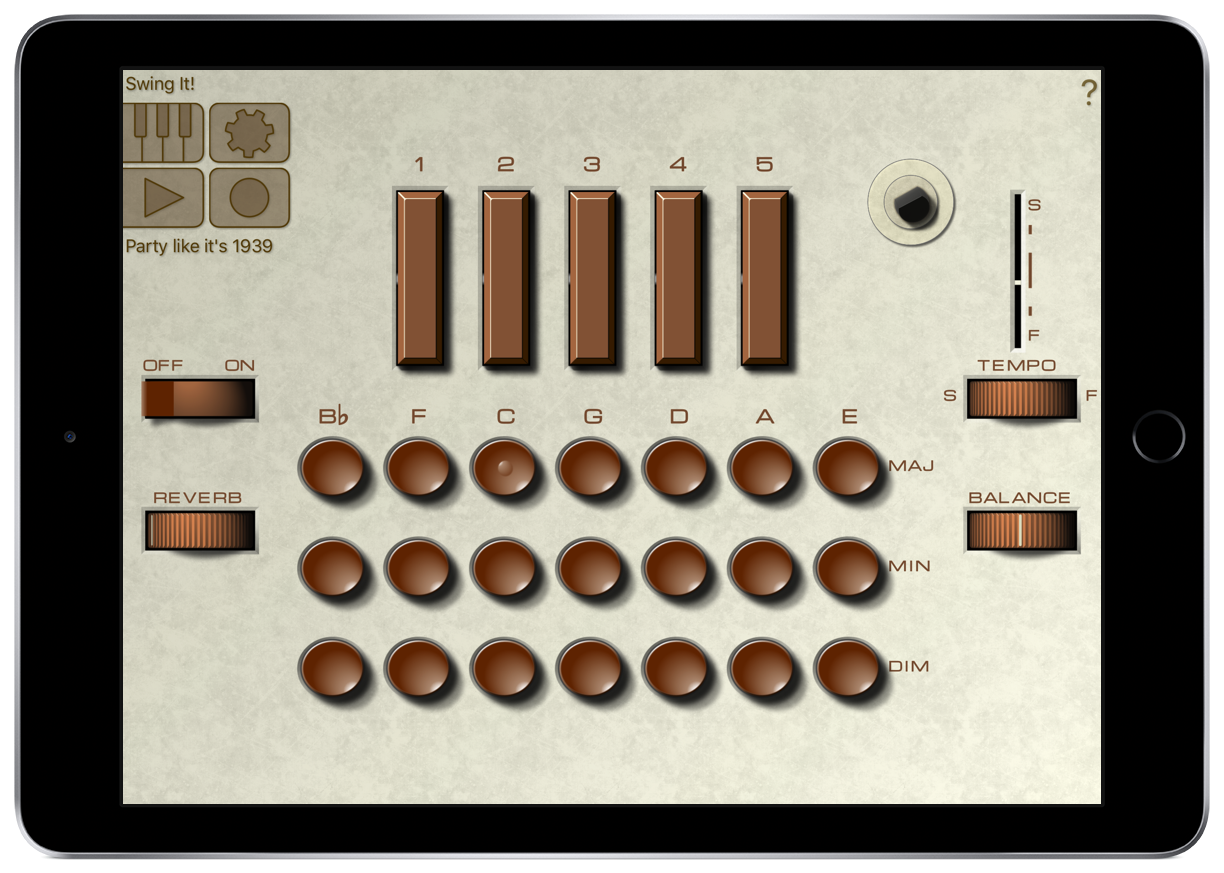
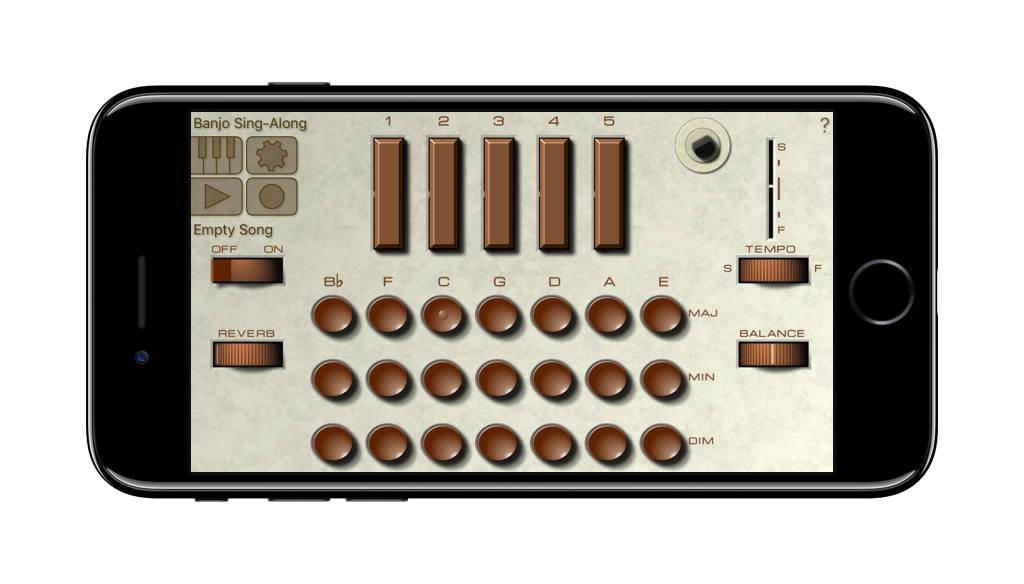
Now you can play the legendary Optigan on your iPad or iPhone!
The Optigan, short for Optical Organ, was a chord organ from the early 70’s.
It is remembered today for its unique system of sound reproduction using optical discs.
These LP-sized film discs were optically encoded with 57 concentric tracks, which
contained loops of musical combos playing chord patterns in different styles.
Each disc contained a specific style of music (Bossa Nova, Big Band etc) which the user
could control by pressing the chord buttons. Changing the discs was as simple as putting
a new record on your turntable. Think of it as the 1971 version of GarageBand.
Despite this novel technology, the scratchy sound of the Optigan left a lot to be desired.
iOptigan truthfully recreates that lo-fi sound.
For more information about the original Optigan, please visit
optigan.com!
The sound quality was quite low, even according to the standards of the 70's.
We did nothing to polish up on this, so if you're looking for a clean, crisp instrument, look elsewhere.
But if you're ready for some audible patina, iOptigan is the right choice for you!
Hp Card Reader Configuration Utility Link Jun 2026
: Restricts access to specific employee badge types (e.g., Mifare, HID Prox).
Reconnect reader to PC utility. Test output using a text editor (Notepad) to check formatting. USB port lost power or software timed out.
HP Card Reader Configuration Utility: Download Links, Setup Guide & Troubleshooting (2026 Update) hp card reader configuration utility link
| Problem | Likely Cause | Solution | |---------|--------------|----------| | | Missing driver or disabled in BIOS | Check Device Manager under “Smart card readers.” If missing, install the Alcor Micro Smart Card Reader Driver from HP’s FTP. Also verify the BIOS setting as described above. | | Card not recognized after insertion | Dirty card contacts or unsupported card type | Gently clean the gold‑coloured contacts with a soft, dry cloth. Ensure the card is one of the types supported by HP (e.g., HID iCLASS, MiFare Classic, or Java Card). | | “Access denied” or “Device not ready” | Security policy restrictions | Open the Group Policy Editor ( gpedit.msc ), navigate to Computer Configuration > Administrative Templates > Windows Components > Smart Card , and review the policies that may be blocking the reader. | | Software installed but no Smart Card menu | Incomplete installation | Re‑run the installer (sp48447.exe or sp111031.exe) and select “Repair.” If the problem persists, uninstall, reboot, and reinstall. | | Card reader works but cannot log in to Windows | Windows credential provider not enabled | In the Security Manager’s Smart Card settings, explicitly enable Windows Logon . You may also need to enable the smart‑card credential provider in Control Panel > User Accounts > Advanced > Manage Windows Credentials . |
If the utility states the hardware version is incompatible, you may need to download a different SoftPaq version. HP maintains separate utility versions for older legacy readers versus modern universal card readers (UCR). : Restricts access to specific employee badge types (e
: Administrators can package pre-configured setups into a custom .HWG or hardware configuration file. This profile can then be pushed silently across thousands of networked network devices without visiting each machine manually.
: The reader is likely stuck in Keyboard Wedge mode with the wrong bit-length parsing. Re-open the configuration utility, go to the formatting tab, and match the bit-length (e.g., 26-bit, 37-bit) to your corporate badges. Issue 3: Driver Conflicts After Windows Update USB port lost power or software timed out
Finding the correct can be surprisingly difficult. Search results are often cluttered with third-party driver updaters, fake "driver fix" scams, or outdated forum posts. This article cuts through the noise. We will provide you with the official sourcing strategy, the direct download methodology, and a step-by-step installation guide.
Depending on your enterprise print management software, you will need to push different configuration profiles to the reader: Print Management System Required Driver / Tool Configuration Target Mode HP Universal Card Reader Drivers Standard Secure Badge Authentication YSoft SafeQ YSoft_Card_Reader_Tool.exe USB Reader for HP MFD Printix Go / Tungsten Vendor Cloud Deployment Automatic Vendor Mapping RFIDEAS (Hardware) PCprox Tool .hwg Configuration File Import Troubleshooting Common Utility Issues The Utility Cannot Detect the Reader HP Universal Card Reader Software and Driver Downloads
Ensure that no other background service (like a virtual machine or a print management agent) is actively trying to read the badge reader while you are attempting to write new configuration data.
The HP Card Reader Configuration Utility link is a powerful tool that allows you to manage and customize your HP card reader settings. With its easy-to-use interface and range of features, it's an essential tool for anyone who wants to get the most out of their device. By following the steps outlined in this article, you can access and use the HP Card Reader Configuration Utility link to improve the performance, security, and functionality of your card reader.