Desi Villagepeeingmmsonfield

šŸ½ļø Eating with our hands isn’t just tradition; it’s a sensory experience. It connects us to our food, helps with digestion, and naturally makes us eat slower. Plus, nothing beats the satisfaction of mixing ghee and dal with your fingers!

The future is specific, honest, and hybrid. Successful creators will zoom in on hyperlocal stories (e.g., "A day in the life of a Lucknowi chikankari artisan") while connecting them to universal themes like sustainability, mental health, or slow food. Video (YouTube, Instagram Reels) and podcasts will dominate, but long-form blogs and newsletters will serve those seeking depth.

: Traditionally, several generations live and eat together under the head of the eldest male.

Different communities have varying social norms and practices. What might seem unusual or unacceptable in one context could be more common or accepted in another. desi villagepeeingmmsonfield

Don't just show the final product; explain the "why." Tell your audience why certain spices are bloomed in oil first, or why copper vessels are used for drinking water. Educational hooks drive incredibly high save and share rates on social platforms.

To create compelling content about Indian lifestyle, one must first understand the operating system of the Indian mind.

šŸ§˜ā€ā™€ļø Indian hospitality is beautiful, but our elders also knew when to rest. Taking an afternoon nap on a hot summer day or simply saying "bas, abhi aur nahi" (that's enough for now) is a vital part of honoring your body's limits. šŸ½ļø Eating with our hands isn’t just tradition;

: Showcasing eco-friendly traditional practices like using copper vessels, earthen cookware, and handloom fabrics like Khadi.

Platforms that host "Desi Village MMS" content are in direct violation of these laws. Victims have legal recourse:

In India, you don't "take a break." You "take a chai break." The chaiwala (tea seller) is the therapist, the stockbroker, and the gossip monger. Lifestyle vlogs that capture the conversation around the tea stall—politics, cricket, weddings—capture the soul of India. The future is specific, honest, and hybrid

You cannot discuss Indian lifestyle without the sensory overload of its festivals. While Diwali (the festival of lights) and Holi (colors) get Western attention, the content landscape is now diving deeper into regional nuances.

Festivals like Diwali, Eid, Holi, and Christmas are celebrated across communal lines. The "neighborhood culture" is strong; it’s common for neighbors to share meals and participate in each other’s life milestones. 3. Culinary Traditions: More Than Just Spice Indian food is a sensory map of the country’s geography.

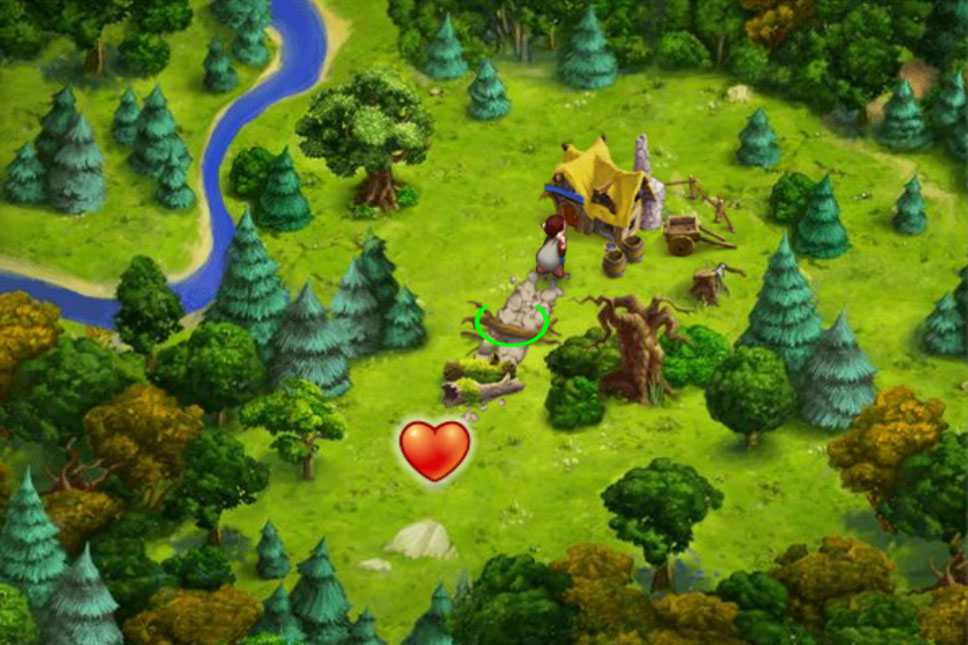
My Kingdom For The Princess - Screenshot #1My Kingdom For The Princess - Screenshot #2My Kingdom For The Princess - Screenshot #3

šŸ½ļø Eating with our hands isn’t just tradition; it’s a sensory experience. It connects us to our food, helps with digestion, and naturally makes us eat slower. Plus, nothing beats the satisfaction of mixing ghee and dal with your fingers!

The future is specific, honest, and hybrid. Successful creators will zoom in on hyperlocal stories (e.g., "A day in the life of a Lucknowi chikankari artisan") while connecting them to universal themes like sustainability, mental health, or slow food. Video (YouTube, Instagram Reels) and podcasts will dominate, but long-form blogs and newsletters will serve those seeking depth.

: Traditionally, several generations live and eat together under the head of the eldest male.

Different communities have varying social norms and practices. What might seem unusual or unacceptable in one context could be more common or accepted in another.

Don't just show the final product; explain the "why." Tell your audience why certain spices are bloomed in oil first, or why copper vessels are used for drinking water. Educational hooks drive incredibly high save and share rates on social platforms.

To create compelling content about Indian lifestyle, one must first understand the operating system of the Indian mind.

šŸ§˜ā€ā™€ļø Indian hospitality is beautiful, but our elders also knew when to rest. Taking an afternoon nap on a hot summer day or simply saying "bas, abhi aur nahi" (that's enough for now) is a vital part of honoring your body's limits.

: Showcasing eco-friendly traditional practices like using copper vessels, earthen cookware, and handloom fabrics like Khadi.

Platforms that host "Desi Village MMS" content are in direct violation of these laws. Victims have legal recourse:

In India, you don't "take a break." You "take a chai break." The chaiwala (tea seller) is the therapist, the stockbroker, and the gossip monger. Lifestyle vlogs that capture the conversation around the tea stall—politics, cricket, weddings—capture the soul of India.

You cannot discuss Indian lifestyle without the sensory overload of its festivals. While Diwali (the festival of lights) and Holi (colors) get Western attention, the content landscape is now diving deeper into regional nuances.

Festivals like Diwali, Eid, Holi, and Christmas are celebrated across communal lines. The "neighborhood culture" is strong; it’s common for neighbors to share meals and participate in each other’s life milestones. 3. Culinary Traditions: More Than Just Spice Indian food is a sensory map of the country’s geography.