
Use grid sizes with up to 110 buttons on one page!
Create an unlimited amount of pages!
Customize the buttons and pages to fit your desires. You can change a lot of visual aspects.
Revive your old phone or tablet. Touch Portal runs on Android 5.0 and up and on iOS 12 and up.
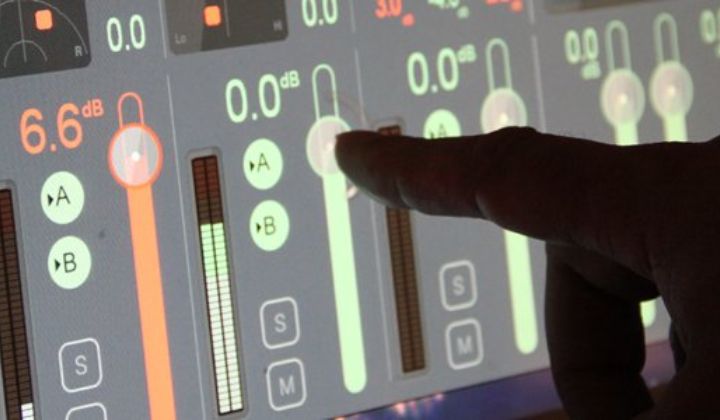
Use Sliders for controlling volume, light brightness and much more
: A recurring theme is the "fallen woman" who finds a path back to traditional values or religion through a more "virtuous" romantic interest, though these stories often end tragically to serve as a social cautionary tale.
The transition from the raw street culture of the 90s to modern romantic television shows reflects a massive shift in audience appetite and censorship boundaries.
Her journey to change her life is filled with obstacles, but it is a classic narrative of redemption. The sequel’s title, "Way Back," encapsulates her struggle to return to a respectable life. This redemption is often catalyzed by a new love—a bohjan (a male counterpart) like Muz, who also repents and no longer wants to waste his life. This trope positions love not as a destructive force, but as a powerful motivator for personal transformation and re-entry into society.
However, modern digital literature—particularly on platforms like Wattpad, self-published indie novels, and contemporary streaming dramas—has redefined this trajectory. The "bohsia Melayu lepas" narrative focuses on life after the streets. It positions the protagonist as a survivor of her past rather than a victim of it. By centering the storyline on her adulthood, creators allow these characters to seek financial independence, emotional healing, and genuine romantic partnerships, turning a former stereotype into a nuanced protagonist.
The rising interest in bohsia melayu lepas relationship narratives marks a progressive shift in Malay societal attitudes. Where media once strictly demonized these youths as moral failures, contemporary storytelling treats them with empathy, focusing on systemic failures like poverty, lack of parental guidance, and urban isolation. Media Representation of Bohsia Perception of their Romantic Worth Cautionary tales, moral decay, tragic endings. Unfit for traditional marriage; doomed to fail. 2010s – Present Nuanced, resilient, self-reformed individuals. Deserving of second chances, love, and domestic happiness.
Analyze specific that fit this trope.
: Unlike the "happily ever after" of traditional romance, these relationships are often portrayed as transient or fluid, reflecting the unpredictable nature of street-based social life.
used by illicit or adult websites to attract traffic from users searching for localized Malaysian adult content.
Some common themes and plotlines in Bohsia Melayu include:
By treating the post-subculture romantic lives of these women with gravity, modern writers challenge the monolithic view of Malay womanhood. They assert that a past characterized by urban rebellion does not disqualify an individual from the universal human pursuits of intimacy, respect, and enduring love. Conclusion: The Narrative Future of Urban Malay Romance
 Install Mobile
Go to the iOS Appstore or Android Play store and download the Touch Portal app. Start the mobile app and complete the onboarding process.
 Thats it!
You should now be connected and ready to start using Touch Portal. Follow these guides / tutorials to learn how to use Touch Portal.

 supported
 supported



 supported
 supported
 supported
: A recurring theme is the "fallen woman" who finds a path back to traditional values or religion through a more "virtuous" romantic interest, though these stories often end tragically to serve as a social cautionary tale.
The transition from the raw street culture of the 90s to modern romantic television shows reflects a massive shift in audience appetite and censorship boundaries.
Her journey to change her life is filled with obstacles, but it is a classic narrative of redemption. The sequel’s title, "Way Back," encapsulates her struggle to return to a respectable life. This redemption is often catalyzed by a new love—a bohjan (a male counterpart) like Muz, who also repents and no longer wants to waste his life. This trope positions love not as a destructive force, but as a powerful motivator for personal transformation and re-entry into society.
However, modern digital literature—particularly on platforms like Wattpad, self-published indie novels, and contemporary streaming dramas—has redefined this trajectory. The "bohsia Melayu lepas" narrative focuses on life after the streets. It positions the protagonist as a survivor of her past rather than a victim of it. By centering the storyline on her adulthood, creators allow these characters to seek financial independence, emotional healing, and genuine romantic partnerships, turning a former stereotype into a nuanced protagonist.
The rising interest in bohsia melayu lepas relationship narratives marks a progressive shift in Malay societal attitudes. Where media once strictly demonized these youths as moral failures, contemporary storytelling treats them with empathy, focusing on systemic failures like poverty, lack of parental guidance, and urban isolation. Media Representation of Bohsia Perception of their Romantic Worth Cautionary tales, moral decay, tragic endings. Unfit for traditional marriage; doomed to fail. 2010s – Present Nuanced, resilient, self-reformed individuals. Deserving of second chances, love, and domestic happiness.
Analyze specific that fit this trope.
: Unlike the "happily ever after" of traditional romance, these relationships are often portrayed as transient or fluid, reflecting the unpredictable nature of street-based social life.
used by illicit or adult websites to attract traffic from users searching for localized Malaysian adult content.
Some common themes and plotlines in Bohsia Melayu include:
By treating the post-subculture romantic lives of these women with gravity, modern writers challenge the monolithic view of Malay womanhood. They assert that a past characterized by urban rebellion does not disqualify an individual from the universal human pursuits of intimacy, respect, and enduring love. Conclusion: The Narrative Future of Urban Malay Romance